
The (Past, Present and) Future of (Danish) Journalism
An examination of how Danish journalism has evolved and where it is headed, reflecting on tradition, digital disruption, and the changing role of the press.
Reports on media trends, technology festivals, press freedom, and the impact of social media on journalism — from Nepal to Denmark and beyond.
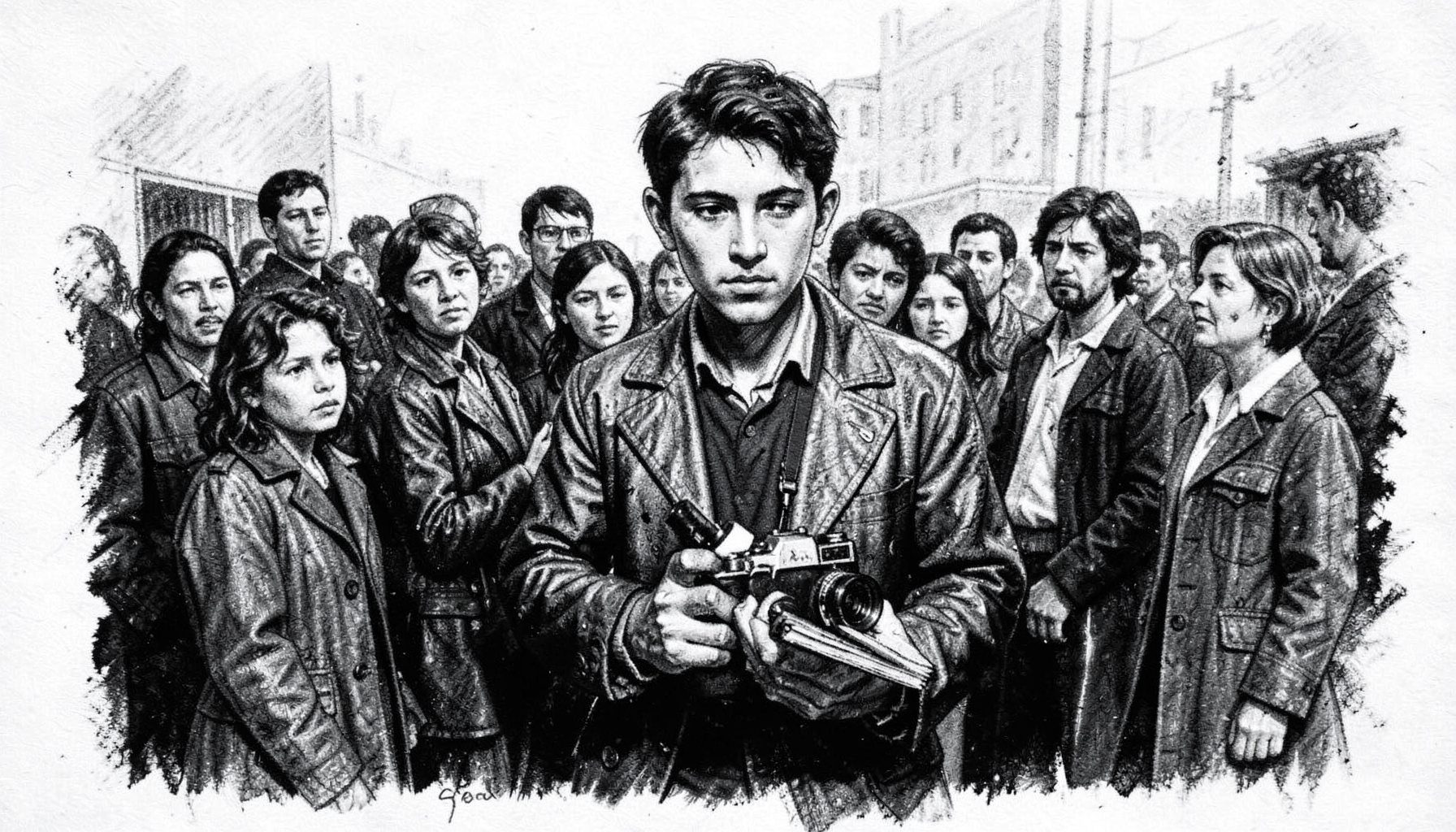
A video message introducing the brigade of multimedia journalists behind ThinkBrigade — reporters united across continents to cover global issues through photo essays, video reports, and in-depth articles.
The fusion of media and technology has reshaped how global stories reach audiences across continents. For journalists committed to covering human rights, environmental shifts, and the pulse of developing regions, digital tools have become essential allies. Video reports, photo essays, and multimedia storytelling now travel instantly from remote villages to international screens, carrying voices that might otherwise remain unheard. This evolution demands not only technical skill but a deep ethical commitment to accuracy and context. Reporters today must navigate a landscape where smartphones serve as newsrooms and social platforms amplify both truth and misinformation. The thoughtful integration of media and technology offers a path toward more informed, connected global communities.
Photography remains one of the most powerful instruments in the journalist's toolkit, especially when documenting the lives of women, youth, and marginalized populations around the world. Through carefully composed photo essays, visual reporters capture the resilience of communities facing domestic violence, water scarcity, and educational barriers. The still image holds a unique ability to transcend language and literacy, conveying emotion and urgency in a single frame. Modern technology allows these photographs to reach wider audiences than ever before, sparking dialogue and advocacy across borders. Each picture becomes a witness, a record, and a call for deeper understanding of our shared humanity.
Multimedia journalism thrives at the intersection of thoughtful reporting and accessible technology. From the slums of Manila to the highlands of Nepal, from the streets of Santiago to the villages of Ghana, reporters are using video, audio, and interactive formats to illuminate complex global issues. This approach moves beyond traditional text-based news, offering audiences immersive experiences that foster empathy and engagement. The challenge lies in maintaining editorial integrity while embracing new platforms and formats. When done well, multimedia storytelling can bridge cultural divides, giving voice to those navigating poverty, conflict, and environmental change. It represents journalism's ongoing adaptation to a world hungry for connection.
The global network of reporters united under a shared mission understands that technology is not an end in itself but a means to deeper understanding. Coverage of climate change, human rights, and development requires both on-the-ground presence and the ability to synthesize complex information for diverse audiences. Digital tools enable collaboration across time zones and languages, allowing journalists in Africa, Europe, Asia, and the Americas to share resources and perspectives. Yet the core of the work remains unchanged: careful observation, respectful inquiry, and a commitment to telling stories that matter. Technology amplifies these efforts but never replaces the human judgment at the heart of responsible journalism.
Exploring how technology reshapes journalism, from crowdfunding in Italy's music scene to Twitter diplomacy and press freedom battles worldwide.
An examination of how Danish journalism has evolved and where it is headed, reflecting on tradition, digital disruption, and the changing role of the press.
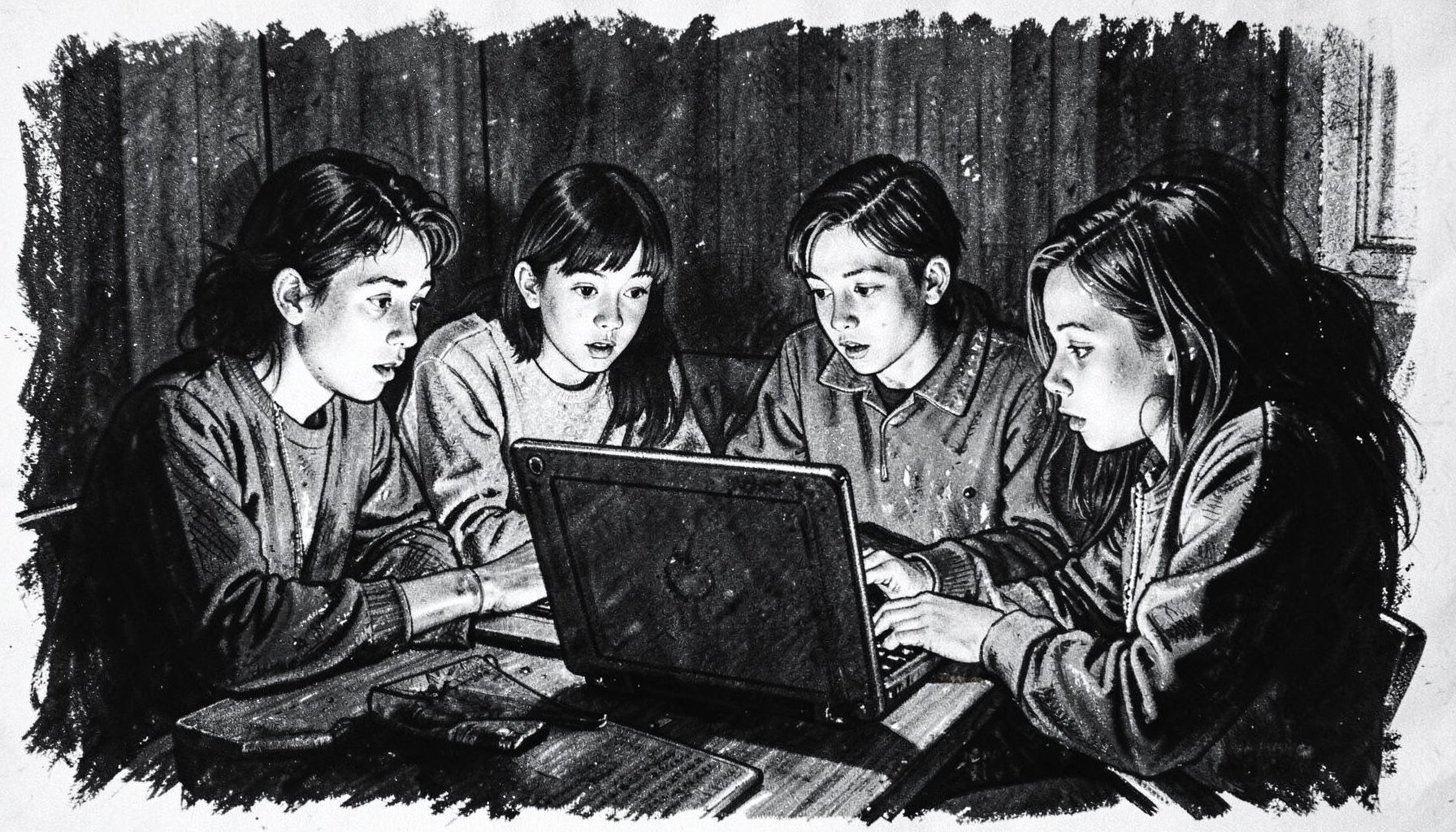
Are young people the answer to journalism's future? This piece explores how the next generation is engaging with news, storytelling, and media innovation.
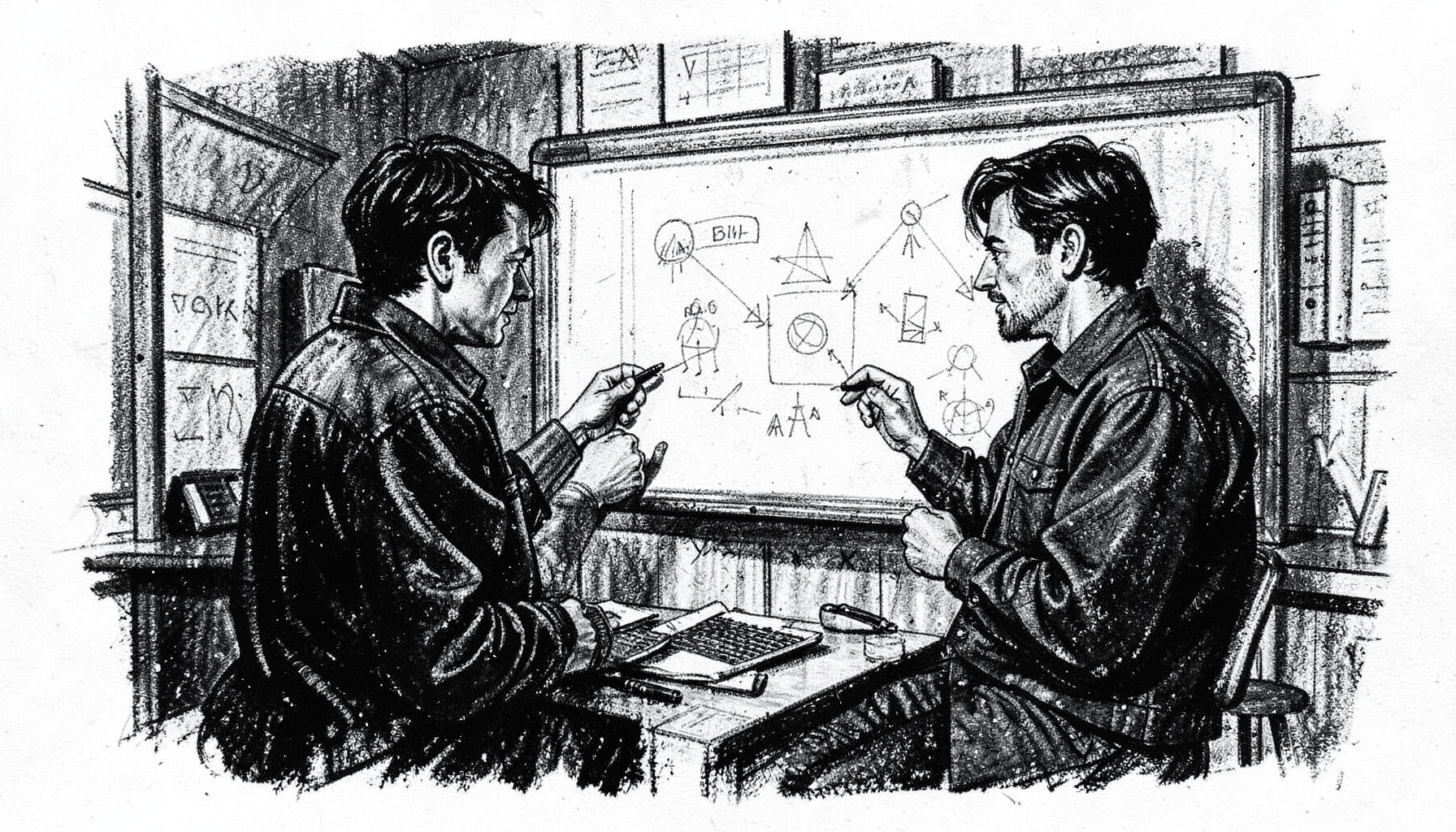
A look at young entrepreneurs in the tech startup world and their philosophy of taking action — relevant to the intersection of media innovation and technology.
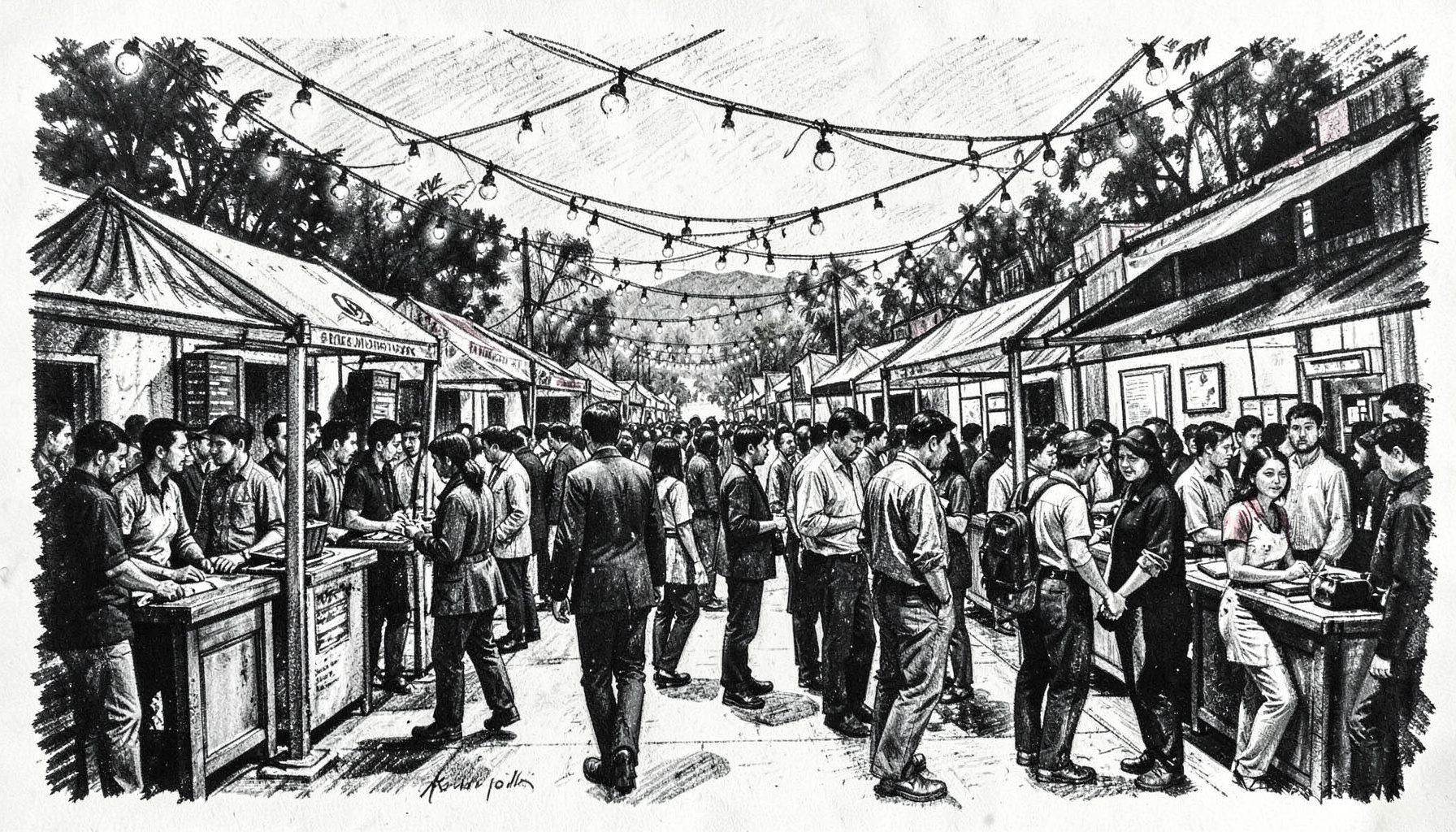
Coverage of Nepal's technology festival, where innovators, developers, and curious visitors gathered to explore the latest in tech and digital culture.
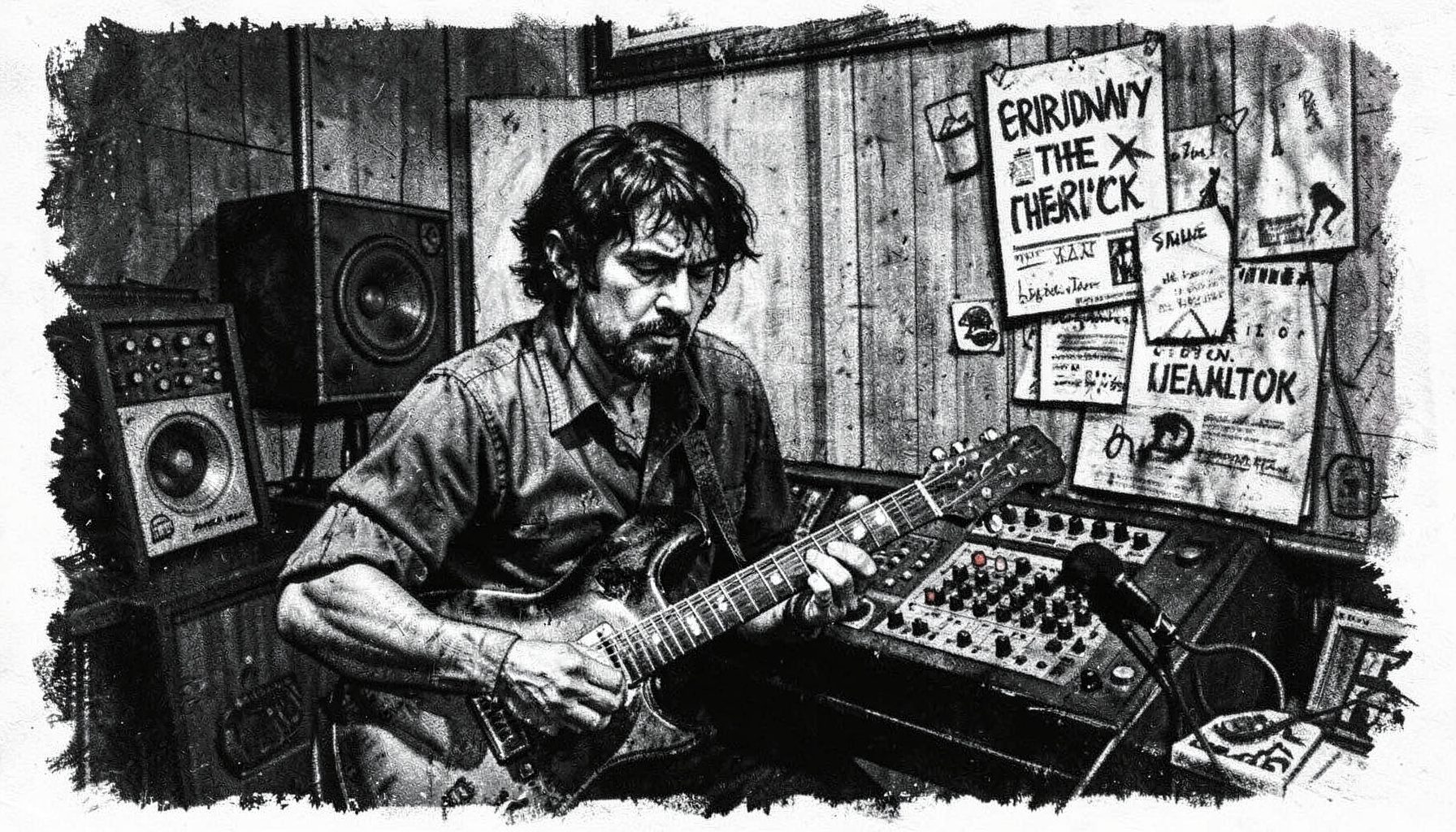
How Italian musicians like Daniele Groff are turning to crowdfunding to finance their work, signaling a shift in how creative projects get funded in the digital age.
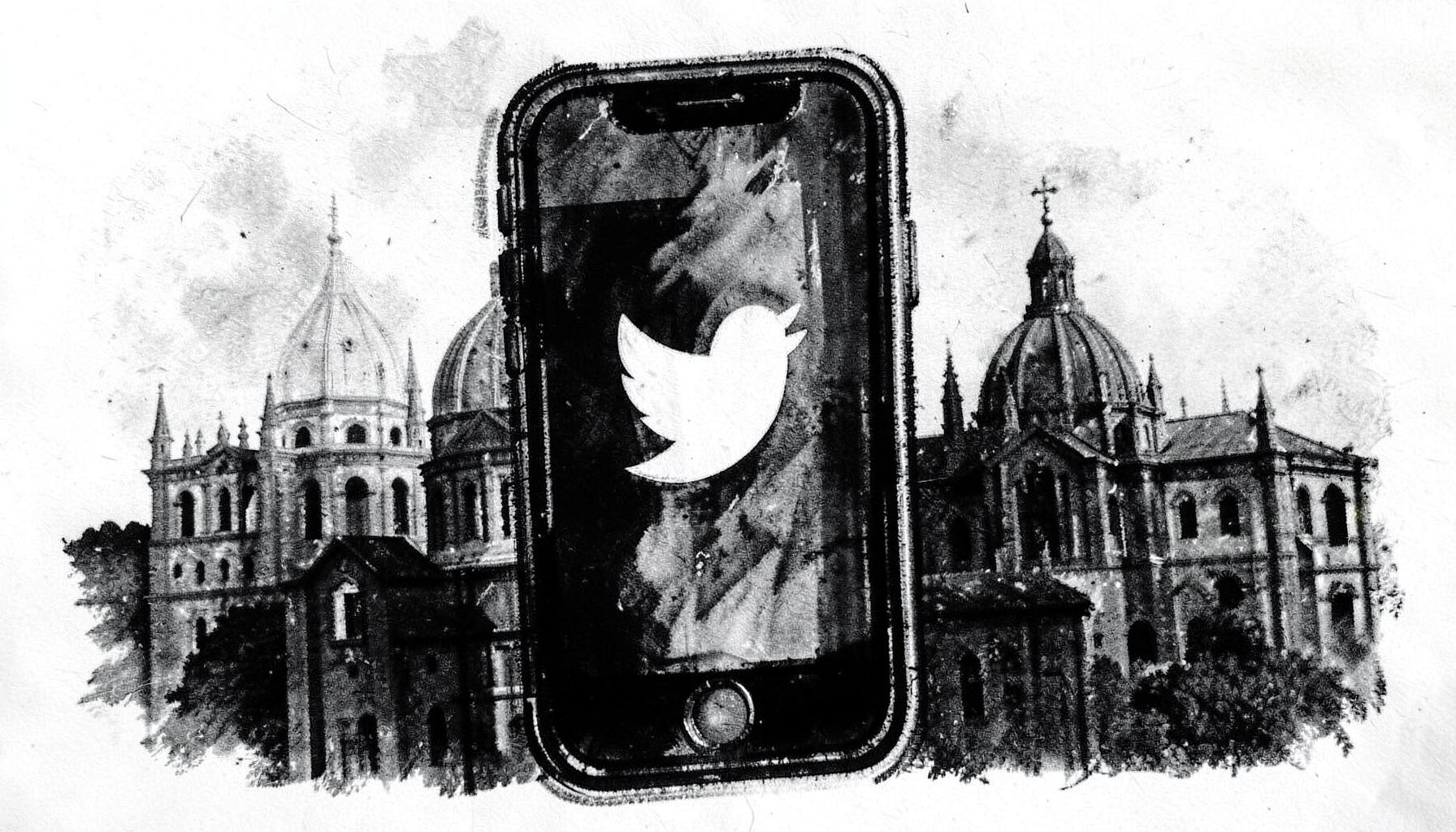
When the Vatican joined Twitter, it marked a new chapter in how religious institutions engage with the digital public sphere.

An analysis of how world leaders and diplomats use Twitter — does it foster genuine openness, or does it create new forms of isolation?

How community-driven media initiatives in Central and Eastern Europe are empowering citizens and reshaping local journalism.